
How to Keep Your Garage Floor From Sweating
Your garage is temperamental and it seems to be a constant fight to prevent its floors from becoming wet, which makes for a damp, musky atmosphere no one wants to work in. A sweating garage floor is not only an annoyance, but it can also present a real safety hazard. It creates a slippery surface that if you’re not careful, then serious injuries can happen to those not paying attention.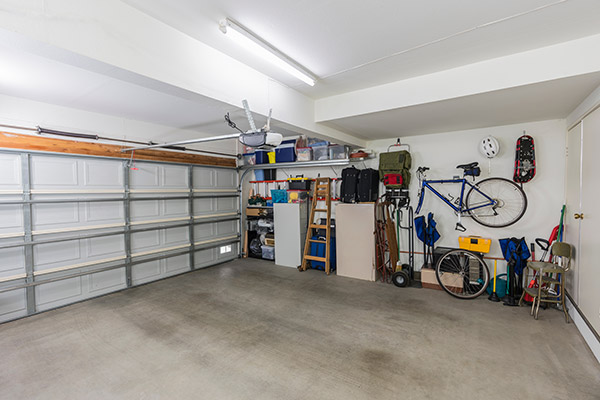
Fortunately, there are a few things you can do to prevent your garage floor from sweating, creating a drier floor and an overall more pleasant, less musky garage.
Why Garage Floors Sweat
Before you stop the floor from sweating, you have to investigate as to what’s causing it. For many homeowners, the reason for a slick garage floor is condensation. Condensation occurs when moist air comes into contact with the cool concrete of the garage floor. Upon this meeting of two conflicting temperatures, the air begins to cool below the dew point, condensing on the concrete’s surface. The result is a misty looking garage floor. This happens often enough in the concrete industry that the condition has even earned its own term: sweating slab syndrome. Of course, condensation is more of a problem when warmer months hit, hence the moist, warm air. Therefore, when spring rolls around, you can expect to see this issue take root rather than in the colder months. Condensation isn’t the only problem behind garage floor sweating. Moisture can travel upward from beneath the slab, which is different from the floor itself sweating but is commonly mistaken for it. For many homes, this occurs because the concrete garage floor lacks a protective moisture barrier beneath its surface. Homeowners don’t realize that even concrete is susceptible to moisture penetration, and is surprisingly absorbent when it comes to water as it pores that act like a sponge.A Sweating Garage Floor or a Moisture Problem?
It’s going to be essential for you to test as to whether or not your garage floor is sweating or if you have a deeper moisture issue at hand. Fortunately, there’s an easy means of testing that you can do yourself. Tape a sizable square piece of heavy plastic down on top of the concrete floor when it’s verifiably dry, make sure all of the edges are properly sealed. Leave the plastic square taped to your garage floor until next time your floor shows signs of moisture. Now, remove the plastic and examine the concrete floor underneath. If the surface is dry but the surrounding concrete is not, then your answer is that you do have a sweating garage floor. If the plastic is wet as well as the area beneath it, but the surrounding concrete is mainly dry, then the moisture problem isn’t from sweating, but is being caused from below the slab.Stopping a Sweating Garage Floor
You now know that you’ve got a sweating garage floor on your hands thanks to the quick and easy testing you conducted with the taped plastic square, but now you’ve got a sweating floor, so how do you fix it? What you’re really trying to fix here is condensation. A sealant over the garage floor is not the solution in fixing a sweaty surface. You have to focus on tackling the conditions that make the garage floor sweat in the first place. These five guidelines will help eliminate condensation:- Decreasing the humidity in the air
- Increasing air circulation in the garage
- Increasing the air temperature in the garage
- Changing the garage floor surface
- Keeping doors and windows sealed
Garage Floor Sweating is an Easy Problem, but a Time Consuming One
Garage floor sweating doesn’t have to be an indication of anything more than condensation, but it’s always a good idea to check if what you’ve got is really floor sweating or a deeper moisture problem.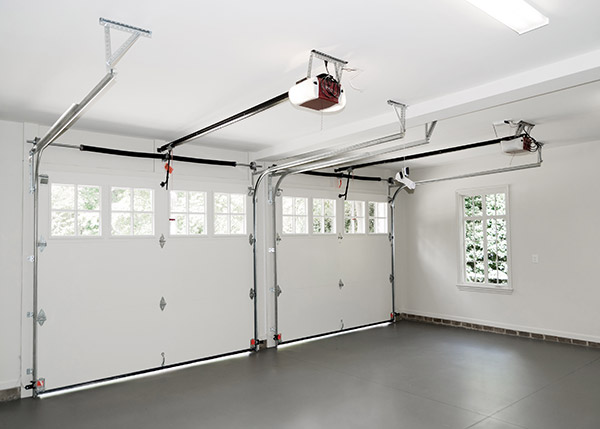
Once you analyze your floor situation and decide that what you’ve got is garage floor sweating, then you can easily tackle the conditions that make up your garage’s interior atmosphere to prevent and control condensation on the floor. Tackling floor sweating is inexpensive, but it will demand time and patience.
Upgrade Your Detached Garage
You can do more with extra space and a detached garage from Danley's comes with custom sized to fit your need. From one to three car size garages, Danley's can build it. Speak to a specialist and get a free quote online today.Get started with a FREE QUOTE
Complete the form below and a Danley’s representative will be in touch.
*View our privacy policy