
Should I Drywall My Detached Garage?
To drywall or not to drywall – that is indeed the question of the day. More specifically, should you move forward with installing drywall in your detached garage or not.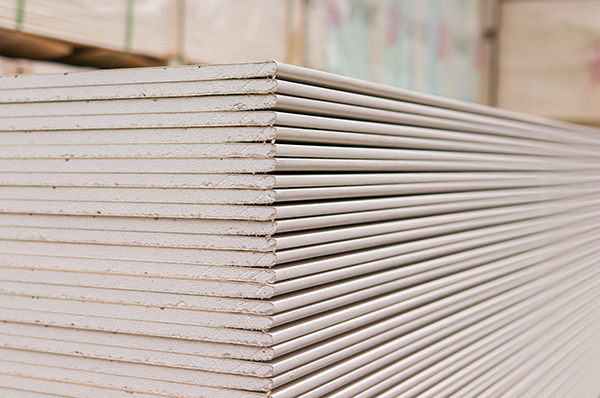
This is going to be different for every individual and every family – it’s largely going to be contingent on what you need your detached garage to do for you. But, we’ll make sure that you are fully equipped with both the benefits of finishing out with drywall or leaving it finished with simple plywood. But before we do that, let’s spend a bit of time discussing what drywall actually is.
Drywall - What Is It?
At the most fundamental level, drywall is a construction material used to finish walls and ceilings. More technically, drywall are sheets of treated gypsum. Gypsum is a sulfate mineral with special properties that make it optimal for usage in this particular sort of construction application. It is a water soluble mineral – but not at high temperatures. In processing the gypsum to become drywall, it's heated up to have the naturally occurring water within it removed, it receives various additives and is then re-hydrated. Once this is accomplished, it gets placed on paper sheets and sent to the drying chamber.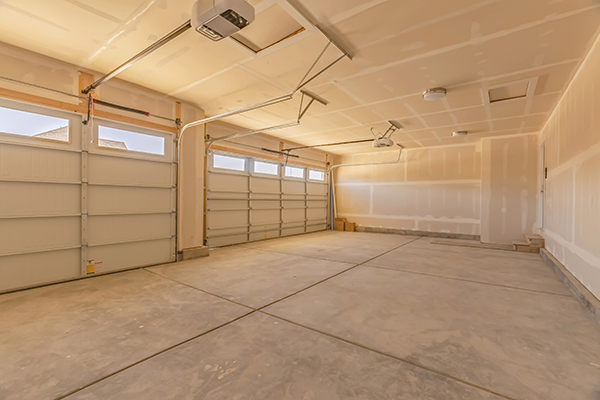
Drywall is a material that allows for great ease of construction on modern buildings. Previously, walls and ceilings were made by adding layer-upon-layer of messy plaster onto wooden strips called lathe. It was a costly, inefficient and an extremely dirty process – we can be very thankful for both the invention and the extreme accessibility of drywall!
The Pro’s of Drywalling Your Garage
Drywall has many good things going for it – and these benefits can be brought to your detached garage.Fire Protection
First, let’s talk about fire-protection. Since drywall is created from the mineral gypsum, and includes crystallized moisture within it, it has the characteristic of being highly resistant to fire. This makes it a wonderful application for garages that will be receiving a lot of activity from power tools and other potential fire hazards. If you plan on performing a lot of this type of work or you’ll be doing a lot of automobile work (just think about all those flammable petroleum products!) you would do well to consider installing drywall within your detached garage.Noise Reduction
Second, there’s the benefit of noise reduction. While drywall doesn’t profound complete sound-proofing it does offer much in the way of sound reduction. So again, if you will be doing a lot of active work out in the garage then it’s going to be worthwhile to go ahead and get that drywall installed. This is especially true if you are living in a densely-populated area, or worse, if you are living in one of those very, very picky HOA’s. Besides, there’s always the chance your son is going to want to start-up a metal band; best to put them out in your sound-dampened garage.Maximum Visibility and Lighting
Third, drywall offers superior visibility in maximizing your lighting. The bright white surfaces of drywall provide great reflectivity – even if you don’t move forward in painting.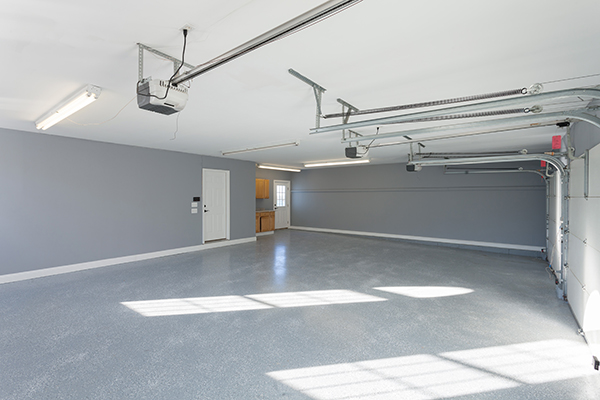
But you would also have the option of painting it a brighter shade of white and therefore upping the ante on the brightness within your garage. And there’s one thing you don’t want to be short on while running your table-saw – lack of visibility. For this reason, we would encourage hobbyists and those anticipated to do a lot of project-work to go ahead and get drywall installed and help your eyes take it easy.
Improved Resale Value
Lastly, having drywall in your detached garage is only going to help you on your home’s resale value. Buyers love the fresh, clean look of having finished drywall installed. So this is a great way to get the most out of your home if you do anticipate that there’s a chance that you could be selling in the future.The Pro’s of Sticking With Plywood
You get the idea now – drywall has a lot going for it. But that doesn’t mean everyone is going to need it in their detached garage. The other option for your walls, and possibly your ceiling if you don’t want to leave the rafted exposed, is to have plywood installed.Extra Strength for Your Walls
The first benefit of plywood, is that it provides extra strength to your walls. Whereas drywall is really more of a finishing touch, plywood actually ties in and provides a structural element to your garage. This becomes especially valuable if you plan on doing a lot of mounting on your walls – for tools, work-stations, or equipment storage. Speaking of mounting things to the wall, plywood is also easier to do this from a sheer mechanical perspective as well. In drywall you must locate the stud and drill through the drywall in order to tap into the studs structural strength. You do have the option of using anchors directly in the drywall itself but your options will be pretty limited if you are looking to hang heavy and/or bulky items. With plywood you can drill and affix directly onto the plywood itself.Easy and Simple Installation
Finally, there is the difficulty of installation. Drywall is large and it’s heavy – you’re absolutely going to have to have two people in order to carry it around and install it properly. Not doing this is just begging for injuries and for your drywall to end up getting damaged. Plywood, on the other hand, can be easily moved and carried by just one person and will make for an overall simpler installation.Drywalling Your Garage Is a Great Project
For those that spend a lot of time in the garage or have some of their most valuable belongings in there, putting up drywall in your garage is definitely worth while. It adds protection, appeal and longevity to your garage as a whole. In some cases, adding drywall to the garage would be a minor cover up that hides the problem - your garage is too old and needs to be upgraded. In such a case, Danley's is your go-to. For over 60 years, we've been providing Chicago with the best detached garages. Start your new garage project today with a free quote online.Get started with a FREE QUOTE
Complete the form below and a Danley’s representative will be in touch.
*View our privacy policy